

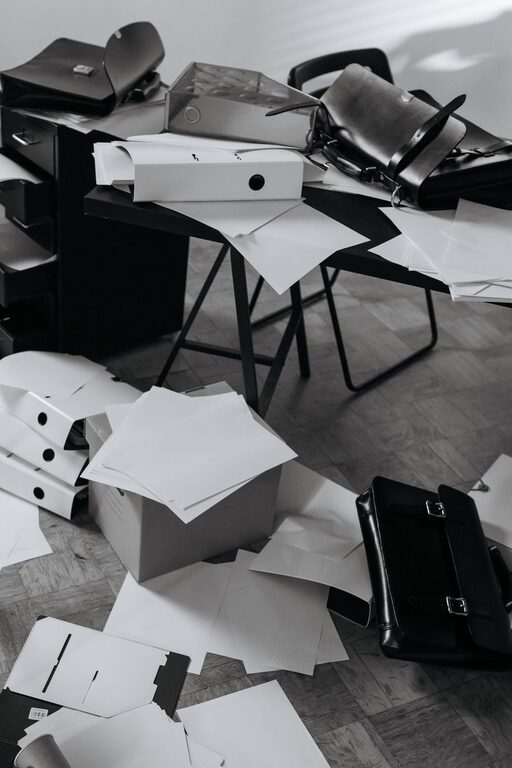
Paper clutter is a common household challenge. From mail to receipts, school papers to manuals, it seems to multiply quickly and take over counters, drawers, and desks. The good news is that with a few practical habits and simple organizing strategies, you can significantly reduce paper clutter and keep your home tidier. This post explores straightforward ways to handle paper clutter, so you can enjoy a more organized and peaceful living space.
Why Paper Clutter Happens
Before diving into solutions, it helps to understand why paper clutter builds up. Most paper clutter comes from daily life: bills, junk mail, school assignments, magazines, and flyers. Often, paper piles up because we aren’t sure what to keep, what to recycle, or where to put it. Having a clear system and making quick decisions about paper can prevent piles from forming.
Simple Strategies to Cut Down Paper Clutter
1. Go Digital Whenever Possible
One of the easiest ways to reduce paper clutter is to switch to digital versions of documents:
– Opt for electronic billing and statements from your utility companies, banks, and credit cards.
– Use apps for organizing receipts and warranties so you don’t need to keep physical copies.
– Subscribe to digital newspapers and magazines instead of paper versions.
– Keeping documents digital means less physical paper entering your home.
2. Create a Dedicated Paper Intake Station
Set up a spot near your main entrance or kitchen where all incoming paper goes. This could be a simple tray, basket, or filing box. The goal is to collect incoming mail and papers in one place so they don’t spread throughout your home.
3. Sort Immediately
Try to sort your paper daily or every couple of days:
– Recycle junk mail and flyers as soon as you see them.
– File important papers like bills or school forms right away.
– Set aside documents that require action, such as invitations or forms to complete.
Sorting quickly prevents piles from growing and helps you stay on top of important deadlines.
4. Use a Simple Filing System
A simple, easy-to-manage filing system can make a big difference:
– Use labeled folders or accordion files for categories like Bills, Medical, School, Manuals, and Tax Documents.
– Keep the filing system in a convenient spot so filing is easy.
– Periodically review and purge files that are no longer needed (such as paid bills older than a year).
5. Develop a Paper Retention Policy
Decide how long you need to keep certain papers:
– Keep bills and receipts for a specified time, such as one year.
– Tax documents might need to be kept for several years.
– Discard or shred personal documents you no longer need to avoid clutter and protect privacy.
Having clear rules helps you avoid holding on to unnecessary paper.
6. Limit Incoming Paper
To reduce paper clutter, reduce the amount of paper entering your home:
– Opt out of junk mail through services like the Direct Marketing Association’s mail preference service.
– Unsubscribe from catalogs and newsletters you no longer want.
– Request electronic versions of documents whenever possible.
7. Use Technology to Scan and Store Papers
If you want to keep important documents but avoid physical clutter, scanning and storing them digitally can help:
– Use a scanner or smartphone scanning app to create digital copies.
– Organize scanned documents in labeled folders on your computer or cloud storage.
– Shred the original papers after confirming the digital copy is clear and accessible.
8. Manage Kids’ Papers Strategically
School papers and artwork can add to clutter quickly. Try these ideas:
– Create a display area for current artwork, rotating pieces regularly.
– Use a portfolio or binder to store special memories.
– Take photos of large or three-dimensional projects before recycling.
9. Keep a Shredder Handy
A shredder makes disposing of sensitive documents fast and secure. Having one nearby encourages immediate recycling of personal papers that you no longer need.
10. Make Decluttering a Routine
Set aside time weekly or monthly for a paper decluttering session. Use this time to:
– Toss out outdated flyers and mail.
– File papers.
– Check if incoming paper habits need adjustment.
Regular maintenance prevents clutter from becoming overwhelming.
Final Thoughts
Reducing household paper clutter is all about establishing simple habits and systems that work for you. By going digital, sorting regularly, and limiting the paper you bring home, you can create a more organized and welcoming environment. Start with a few of these ideas today and enjoy the freedom of a clutter-free home!